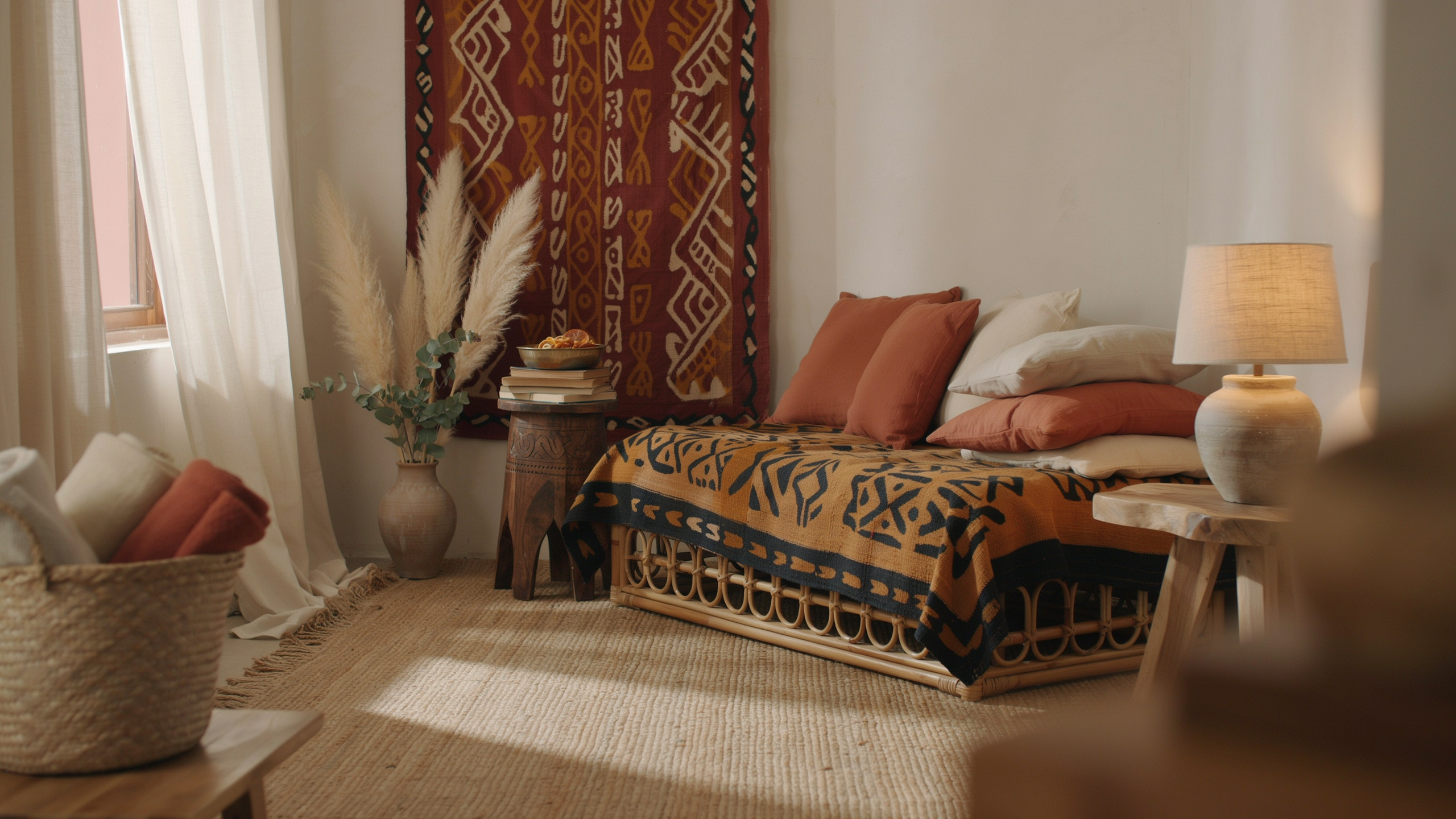
Your living room is more than just a place to sit—it’s where family gathers, friends connect, and everyday moments become lasting memories. Creating a space that feels comfortable, welcoming, and full of personality can completely change the atmosphere of your home.
That’s exactly why Afrohemian living room design has become one of the fastest-growing interior trends. It combines the relaxed comfort of bohemian styling with the warmth of African-inspired craftsmanship, natural materials, earthy colors, and handcrafted details. The result is a living room that feels layered, timeless, and effortlessly inviting.
Whether you’re decorating a small apartment, refreshing an outdated space, or designing your dream home from scratch, Afrohemian style offers endless inspiration. Rich wood tones, woven textures, linen fabrics, handcrafted pottery, indoor greenery, and warm neutral colors work together to create interiors that feel elegant without being overly formal.
In this guide, you’ll discover 25 Afrohemian living room ideas that blend modern comfort with natural beauty. You’ll also learn how to choose the right colors, furniture, lighting, textures, and decorative accents to create a living room that feels stylish, balanced, and uniquely your own.
Table of Contents
In this guide, you’ll discover:
More Afrohemian Decorating Inspiration
25 Afrohemian Living Room Ideas
The Best Color Palette for an Afrohemian Living Room
Natural Materials That Define the Afrohemian Style
An Afrohemian Living Room Shopping Checklist
Budget-Friendly Decorating Tips
Common Decorating Mistakes to Avoid
Frequently Asked Questions
What Is an Afrohemian Living Room?
An Afrohemian living room blends the relaxed, layered feel of bohemian interiors with the warmth and craftsmanship found in African-inspired design. Instead of following short-lived decorating trends, this style focuses on natural materials, earthy colors, handcrafted pieces, and comfortable furniture that make a room feel welcoming and lived in.
At its core, an Afrohemian living room is about creating balance. Rich wood tones, woven textures, soft linen fabrics, handcrafted pottery, and indoor plants work together to create a space that feels both elegant and relaxed. Every decorative piece should add purpose, texture, or personality rather than simply filling empty space.
Unlike traditional bohemian interiors, which often feature bold colors and many mixed patterns, Afrohemian style leans toward a calmer palette. Warm neutrals, terracotta, olive green, walnut brown, sand, and soft ivory create a timeless foundation that allows natural textures to become the focal point.
The result is a living room that feels peaceful during the day, cozy in the evening, and stylish throughout every season.
Why Afrohemian Living Rooms Are Trending
Homeowners are moving away from interiors that feel overly polished or mass-produced. Instead, they’re looking for spaces that feel authentic, comfortable, and connected to nature. Afrohemian design answers that need by celebrating handmade craftsmanship, sustainable materials, and timeless styling.
Social platforms like Pinterest have also fueled the popularity of this trend. Images featuring earthy color palettes, linen sofas, woven lighting, handcrafted ceramics, and organic textures continue to inspire homeowners looking for a warm yet modern aesthetic.
Another reason this style has become so popular is its flexibility. Whether you live in a city apartment, a suburban family home, or a modern farmhouse, Afrohemian elements can be adapted to suit different layouts and budgets. You can start with a few natural accessories and gradually build a layered, collected look over time.
Key Elements of an Afrohemian Living Room
Before exploring the decorating ideas, it’s helpful to understand the building blocks that define this style.
Earthy Color Palette
Warm neutrals create the foundation of every Afrohemian living room. Shades like terracotta, beige, camel, olive green, walnut brown, rust, and soft ivory help create a calm, welcoming atmosphere that never feels dated.
Natural Materials
Choose furniture and decor made from wood, rattan, jute, linen, cotton, cane, ceramic, terracotta, and natural stone. These materials introduce texture while adding warmth and authenticity.
Comfortable Furniture
Select pieces that invite people to relax. Linen sofas, oversized armchairs, wooden coffee tables, and soft area rugs create a living room that’s both beautiful and functional.
Layered Textures
Texture gives Afrohemian interiors their signature depth. Combine woven baskets, knitted throws, linen curtains, jute rugs, handcrafted pottery, and textured cushions to create a room that feels rich without looking cluttered.
Handcrafted Decor
Decorative objects should tell a story. Handmade ceramics, artisan baskets, carved wooden bowls, and unique wall art add character and make your living room feel personal instead of looking like a showroom.
Greenery
Indoor plants complete the look by adding color, life, and a stronger connection to nature. Large statement plants such as an olive tree, bird of paradise, or fiddle leaf fig work especially well, while smaller plants can soften shelves and side tables.
Designer’s Foundation Formula
If you’re decorating from scratch, build your living room in this order:
- Choose a warm neutral wall color.
- Add a comfortable linen or cotton sofa.
- Place a natural jute or wool rug.
- Introduce a solid wood coffee table.
- Layer woven baskets and handcrafted pottery.
- Add warm lighting with table lamps or woven pendants.
- Finish with artwork, books, greenery, and meaningful accessories.
By following this sequence, you’ll create a room that feels intentional and balanced rather than buying random pieces that don’t work together.

25 Afrohemian Living Room Ideas
1. Start With a Warm Neutral Linen Sofa
Every beautiful Afrohemian living room begins with a comfortable sofa that creates a calm foundation for the rest of the space. Instead of choosing bold colors or trendy patterns, opt for a linen or cotton sofa in warm shades like ivory, oatmeal, beige, or soft camel. These timeless tones allow natural textures and handcrafted decor to become the focal point.
Once your sofa is in place, layer it with textured cushions in earthy colors such as terracotta, olive green, rust, and sand. Finish the look with a soft woven throw blanket to make the seating area feel cozy and inviting.
Why It Works
Neutral seating creates flexibility, making it easy to update your decor with seasonal accessories while maintaining a timeless look.
How to Recreate It
- Choose a linen or cotton sofa with clean, modern lines.
- Add three to five textured throw pillows in complementary earthy tones.
- Drape a woven throw over one arm of the sofa for a relaxed feel.
Designer Tip
Avoid bright white sofas if possible. Warm ivory or oatmeal hides everyday wear better and creates a softer, more welcoming atmosphere.

2. Layer a Large Natural Fiber Rug
A large rug instantly anchors your seating area and brings warmth underfoot. Jute, sisal, and wool rugs are ideal choices because they introduce texture without overwhelming the room. The right rug also helps define the conversation area and makes the living room feel more complete.
Choose a rug that’s large enough for at least the front legs of your sofa and chairs to rest on. This creates a balanced layout and gives the room a more professionally designed appearance.
Why It Works
Natural fiber rugs add texture, soften hard flooring, and connect every furniture piece into one cohesive arrangement.
How to Recreate It
- Select a large jute, sisal, or wool rug in a neutral tone.
- Position the rug beneath the main seating area.
- Keep surrounding decor simple to let the texture stand out.
Designer Tip
When in doubt, buy the larger rug size. A rug that’s too small can make even an expensive living room feel unfinished.

3. Choose a Solid Wood Coffee Table
A coffee table is more than a practical surface—it’s often the centerpiece of the living room. Solid wood tables with visible grain bring warmth, character, and a sense of craftsmanship that perfectly suits Afrohemian interiors.
Style the table with a small stack of books, a handcrafted ceramic vase, a wooden bowl, and a candle. Leave enough empty space for the arrangement to feel clean and functional.
Why It Works
Natural wood introduces warmth and complements other organic materials such as linen, jute, and rattan.
How to Recreate It
- Choose oak, walnut, reclaimed wood, or mango wood.
- Keep tabletop styling simple and intentional.
- Mix decorative pieces with practical items.
Designer Tip
Round coffee tables work especially well in smaller living rooms because they improve flow and soften the room’s overall look.

4. Add Oversized Indoor Plants
Greenery is one of the easiest ways to make an Afrohemian living room feel alive. Large plants introduce height, soften architectural lines, and reinforce the connection to nature that defines this decorating style.
Choose statement plants such as an olive tree, fiddle leaf fig, bird of paradise, or rubber plant. Place them in woven baskets or handcrafted terracotta planters to maintain the natural aesthetic.
Why It Works
Large plants add color, texture, and movement while making a room feel fresh and welcoming.
How to Recreate It
- Select one large statement plant for an empty corner.
- Use natural woven or clay planters.
- Position the plant where it receives appropriate natural light.
Designer Tip
One healthy, oversized plant usually has a greater visual impact than several small plants scattered throughout the room.

5. Mix Handcrafted Pottery With Modern Decor
One of the defining features of Afrohemian style is the balance between modern furniture and handcrafted accessories. Handmade ceramic vases, terracotta pots, sculptural bowls, and artisan-made decor introduce personality while celebrating craftsmanship.
Instead of filling every shelf, display a few carefully chosen pieces with enough breathing room around them. This curated approach creates a more sophisticated and timeless look.
Why It Works
Handcrafted decor adds individuality and warmth while preventing modern interiors from feeling too polished or impersonal.
How to Recreate It
- Group decorative objects in odd numbers, such as three or five.
- Combine different heights and shapes for visual interest.
- Leave negative space between objects to avoid clutter.
Designer Tip
Choose handmade pieces with natural imperfections. Slight variations in texture and finish make each object feel unique and authentic.

6. Make Woven Lighting the Focal Point
Lighting has the power to completely transform the mood of a living room. In an Afrohemian space, woven pendant lights, rattan chandeliers, and natural fiber lampshades add warmth and texture while acting as sculptural design features. Even when turned off, they bring visual interest to the room.
Choose an oversized woven pendant light if you have a high ceiling, or combine a floor lamp with a woven table lamp in smaller spaces. Warm white bulbs create a soft glow that highlights the natural textures throughout the room.
Why It Works
Woven lighting softens the space, adds organic texture, and creates a cozy atmosphere during the evening.
How to Recreate It
- Choose natural rattan, bamboo, or woven grass lighting.
- Use warm white bulbs (around 2700K–3000K).
- Keep the fixture centered over the seating area whenever possible.
Designer Tip
Select one statement light fixture instead of several small decorative lights. A single oversized pendant often creates a stronger visual impact.

7. Create a Gallery Wall With Meaningful Art
A gallery wall gives your living room personality and tells a story about your style. Instead of filling the wall with random prints, combine abstract artwork, African-inspired patterns, nature photography, woven wall baskets, and framed textiles that share a similar earthy color palette.
Keep the layout balanced by leaving consistent spacing between frames and mixing different sizes without overcrowding the wall.
Why It Works
A thoughtfully designed gallery wall becomes a focal point while adding depth and character without taking up floor space.
How to Recreate It
- Choose artwork in terracotta, black, beige, and olive tones.
- Mix framed prints with woven wall decor.
- Arrange everything on the floor before hanging it.
Designer Tip
Leave two to three inches of space between frames to create a clean, curated look.

8. Layer Textiles for Extra Warmth
One of the easiest ways to make a living room feel inviting is by layering different fabrics and textures. Instead of matching every cushion, combine linen, cotton, wool, and woven fabrics in complementary earthy tones.
A soft throw blanket over the sofa, textured cushions, and a natural fiber rug create visual depth while making the room feel comfortable all year round.
Why It Works
Layered textiles soften hard surfaces and make the space feel lived in without appearing cluttered.
How to Recreate It
- Start with neutral cushions.
- Add one or two patterned pillows.
- Finish with a chunky knit or woven throw blanket.
Designer Tip
Limit your palette to three or four main colors to keep the layered look cohesive.

9. Style Open Shelves With Purpose
Open shelves offer the perfect opportunity to display meaningful decor while keeping the room organized. Instead of filling every shelf, focus on a balanced mix of books, handcrafted pottery, woven baskets, candles, and greenery.
Vary the height and shape of decorative objects to create visual interest, but leave empty space so each item has room to stand out.
Why It Works
Thoughtfully styled shelves add personality without making the room feel crowded.
How to Recreate It
- Stack books horizontally and vertically.
- Mix ceramics with natural materials.
- Include one trailing or upright plant.
- Leave at least one-third of each shelf empty.
Designer Tip
Step back after styling and remove one or two items if the shelves feel busy. Simplicity often looks more refined.

10. Add a Statement Accent Chair
A well-chosen accent chair adds extra seating while introducing another natural texture into the room. Rattan chairs, wooden-framed lounge chairs, or upholstered linen armchairs fit beautifully within the Afrohemian style.
Place the chair beside a floor lamp or next to a large plant to create a cozy conversation corner. A small side table and textured cushion complete the look.
Why It Works
An accent chair breaks up the sofa arrangement and creates a more flexible, welcoming layout.
How to Recreate It
- Choose a chair with natural materials or warm neutral upholstery.
- Pair it with a wooden side table.
- Add a throw pillow or lightweight blanket for extra comfort.
Designer Tip
Avoid oversized accent chairs in small living rooms. Keeping enough walking space around the chair makes the room feel more open.

11. Build an Earthy Color Palette With Layers
A well-designed Afrohemian living room doesn’t rely on a single color. Instead, it layers warm earthy shades to create depth and balance. Begin with a neutral base such as ivory, oatmeal, or warm beige for larger pieces like the sofa and walls. Then introduce richer tones like terracotta, olive green, walnut brown, rust, and charcoal through cushions, artwork, pottery, and decorative accessories.
This layered approach keeps the room visually interesting while maintaining a calm and cohesive feel. Rather than matching every item perfectly, focus on choosing colors that naturally complement one another.
Why It Works
Layering several earthy tones creates a room that feels warm, collected, and timeless instead of flat or one-dimensional.
How to Recreate It
- Start with one dominant neutral.
- Add two or three earthy accent colors.
- Repeat each color throughout the room in different materials.
Designer Tip
If you’re unsure whether a color fits, compare it to natural landscapes. Shades found in wood, stone, clay, sand, and plants almost always work well together.

12. Style Your Fireplace as a Natural Focal Point
If your living room has a fireplace, make it one of the room’s strongest design features. Instead of decorating it heavily, use a few carefully selected pieces such as handcrafted pottery, framed artwork, wooden candle holders, and trailing greenery.
A large mirror or oversized artwork above the mantel can draw the eye upward while helping the room feel brighter and more spacious. Keep the styling balanced by mixing different heights and textures without overcrowding the mantel.
Why It Works
A thoughtfully styled fireplace naturally becomes the center of the room and creates a welcoming atmosphere year-round.
How to Recreate It
- Use odd-numbered decorative groupings.
- Mix wood, ceramic, and greenery.
- Leave some open space on the mantel.
Designer Tip
During different seasons, swap only a few decorative accents rather than redesigning the entire fireplace. This keeps the room feeling fresh while maintaining a consistent style.

13. Hang Floor-to-Ceiling Linen Curtains
Curtains often make a bigger impact than people expect. Full-length linen curtains soften the room, filter natural light beautifully, and make ceilings appear higher. Choose warm neutral shades like ivory, flax, oatmeal, or soft sand to complement the earthy palette.
Mount curtain rods close to the ceiling and allow the fabric to lightly touch the floor. This simple trick creates a more luxurious, professionally designed appearance.
Why It Works
Long linen curtains add softness while making the room feel taller and more elegant.
How to Recreate It
- Use lightweight linen or linen-blend fabrics.
- Hang rods several inches above the window frame.
- Extend the rod beyond the window width for a fuller look.
Designer Tip
Avoid short curtains that stop at the windowsill. Floor-length curtains almost always create a more polished result.

14. Style the Coffee Table With Intention
A coffee table should look beautiful while remaining practical for everyday use. Instead of covering every inch of the surface, create one carefully arranged display using a stack of books, a handcrafted ceramic vase, a candle, and a decorative tray.
Vary the height and shape of each object to create visual balance. Leave enough open space for drinks, books, or conversation without constantly moving decorative items.
Why It Works
A thoughtfully styled coffee table becomes a subtle focal point that feels curated instead of cluttered.
How to Recreate It
- Begin with a decorative tray.
- Add one tall object, one medium object, and one low object.
- Include a small natural element such as greenery or dried stems.
Designer Tip
Rotate seasonal accessories while keeping the same basic arrangement. This refreshes the room without requiring a complete redesign.

15. Mix Vintage Pieces With Modern Furniture
The most memorable Afrohemian living rooms don’t look as though everything was purchased from the same store. Combining vintage finds with modern furniture creates depth, personality, and a sense of history.
A vintage wooden cabinet, antique stool, or handcrafted side table can sit beautifully beside a contemporary linen sofa. This balance between old and new makes the room feel collected over time rather than staged.
Why It Works
Mixing furniture from different eras creates a layered, authentic interior that feels unique to your home.
How to Recreate It
- Choose one or two vintage statement pieces.
- Pair them with simple modern furniture.
- Repeat wood tones throughout the room for a cohesive look.
Designer Tip
Look for quality craftsmanship instead of perfect finishes. Small signs of age often add character and make vintage furniture even more appealing.

16. Design a Cozy Reading Corner
Every Afrohemian living room benefits from a quiet place to relax. A reading corner creates a dedicated retreat where you can unwind with a book, enjoy your morning coffee, or simply slow down after a busy day.
Choose a comfortable accent chair, add a small wooden side table, a warm table lamp, and a woven basket for books or blankets. Complete the space with a soft throw and a nearby indoor plant to make the corner feel calm and inviting.
Why It Works
A reading nook adds both function and personality while making the living room feel more intentional.
How to Recreate It
- Place the chair near a window whenever possible.
- Add layered lighting for evening reading.
- Include one decorative object and one practical item on the side table.
Designer Tip
Keep the area uncluttered. A simple, comfortable corner often feels more luxurious than one filled with decorative accessories.

17. Use a Large Statement Mirror
A well-placed mirror reflects natural light and makes the living room feel brighter and more spacious. Oversized mirrors with wooden, rattan, or black metal frames fit beautifully within Afrohemian interiors.
Position the mirror where it reflects a window, greenery, or another attractive feature instead of a blank wall.
Why It Works
Mirrors create depth while enhancing natural light throughout the room.
How to Recreate It
- Choose one oversized mirror instead of several small ones.
- Pair it with a wooden console table or fireplace.
- Keep surrounding decor simple.
Designer Tip
Round mirrors soften rooms with many straight lines, while rectangular mirrors complement more traditional layouts.

18. Add Character With Artisan-Made Accessories
Accessories are what make a living room feel personal. Instead of buying mass-produced decor, look for handcrafted ceramics, woven baskets, carved wooden bowls, handwoven textiles, and artisan-made sculptures.
These pieces introduce texture and tell a story, giving the room a collected, lived-in appearance.
Why It Works
Handcrafted accessories bring authenticity and individuality to your space.
How to Recreate It
- Display a few meaningful pieces instead of many small objects.
- Mix different materials such as ceramic, wood, and woven fibers.
- Keep displays balanced with plenty of negative space.
Designer Tip
Quality matters more than quantity. A single handcrafted vase can have more impact than several inexpensive decorations.

19. Refresh Your Living Room With Seasonal Styling
One of the easiest ways to keep your living room feeling fresh is by making small seasonal updates instead of redesigning the entire space.
Swap cushion covers, throws, candles, greenery, or dried branches to reflect the changing seasons while keeping your furniture and larger decor consistent. This approach saves money and helps your home feel updated throughout the year.
Why It Works
Seasonal styling keeps your living room interesting without losing its overall design identity.
How to Recreate It
- Use lighter textiles in spring and summer.
- Introduce warmer textures during autumn and winter.
- Refresh greenery and decorative stems seasonally.
Designer Tip
Store seasonal accessories in labeled baskets so they’re easy to rotate throughout the year.

20. Decorate With Meaningful Personal Collections
The most memorable Afrohemian living rooms reflect the people who live in them. Display favorite books, travel souvenirs, handmade pottery, family heirlooms, or locally crafted decor that has personal meaning.
Instead of trying to fill every shelf, curate your favorite pieces and allow each one to stand out. Thoughtfully edited collections feel more elegant than crowded displays.
Why It Works
Personal collections make your living room unique while adding warmth and authenticity.
How to Recreate It
- Choose a dedicated shelf or cabinet for display.
- Group similar objects together.
- Leave empty space around important pieces.
Designer Tip
If an item doesn’t add beauty, function, or meaning, consider storing it elsewhere. Curated displays create a stronger visual impact.

21. Add Texture With Limewash or Textured Walls
Walls are often overlooked, but they can dramatically change the feel of a living room. Instead of relying on plain painted walls, consider adding subtle texture through limewash paint, clay finishes, or textured wallpaper in warm neutral shades.
These finishes create depth by catching natural light throughout the day. They also provide a beautiful backdrop for artwork, mirrors, and handcrafted decor without overwhelming the room.
Why It Works
Textured walls make the space feel richer and more inviting while keeping the overall design calm and understated.
How to Recreate It
- Choose warm beige, sand, or soft ivory finishes.
- Keep wall decor simple so the texture remains visible.
- Pair textured walls with natural wood furniture.
Designer Tip
If a full wall treatment isn’t possible, create a textured accent wall behind the sofa to introduce depth without increasing costs.

22. Style Built-In Shelves Like a Designer
Built-in shelves can become one of the most beautiful features of your living room when styled thoughtfully. Instead of filling every shelf, combine books, handcrafted ceramics, woven baskets, framed artwork, and greenery while leaving generous open space.
Vary heights, shapes, and textures to create balance, but repeat similar colors throughout the display so everything feels connected.
Why It Works
Well-styled shelves add personality while making the room feel curated instead of cluttered.
How to Recreate It
- Stack some books horizontally and others vertically.
- Mix practical storage with decorative accessories.
- Add one trailing plant to soften the arrangement.
Designer Tip
After styling, remove one or two items from each shelf. Less is often more.

23. Layer Multiple Light Sources
One ceiling light alone rarely creates a comfortable atmosphere. A well-designed Afrohemian living room uses several layers of lighting to make the space feel warm throughout the day and evening.
Combine an overhead woven pendant, a floor lamp beside the sofa, a ceramic table lamp on a side table, and candlelight for extra ambiance. Each light source should serve a purpose while adding to the room’s overall design.
Why It Works
Layered lighting creates depth, highlights textures, and allows you to adjust the mood for different occasions.
How to Recreate It
- Use warm white bulbs throughout the room.
- Include at least three separate light sources.
- Position lighting to illuminate seating areas rather than walls alone.
Designer Tip
Install dimmers whenever possible. Adjustable lighting instantly makes a room feel more luxurious.

24. Create Balance With Negative Space
One of the biggest differences between a professionally designed room and an overcrowded one is the use of negative space. Leaving empty areas around furniture, shelves, and decorative objects allows each piece to stand out while making the room feel calm and spacious.
Resist the temptation to decorate every surface. Instead, focus on highlighting a few beautiful items and giving them room to breathe.
Why It Works
Negative space improves visual balance and prevents even richly textured rooms from feeling overwhelming.
How to Recreate It
- Leave open areas on shelves and tabletops.
- Avoid pushing furniture tightly together.
- Choose fewer, higher-quality decorative objects.
Designer Tip
After finishing your room, remove one accessory from each display. Often the room will feel more refined immediately.

25. Bring Everything Together With Thoughtful Styling
The final step isn’t buying more furniture—it’s making sure every element works together. Walk through your living room and look at it as a whole. Do the colors repeat naturally? Are textures balanced? Does every decorative object have a purpose?
A successful Afrohemian living room feels layered but never crowded, stylish yet comfortable, and personal without feeling overly themed. Small adjustments, such as repositioning a plant, removing an extra cushion, or simplifying shelf styling, often make the biggest difference.
Why It Works
Thoughtful styling transforms individual pieces into one cohesive, welcoming living room.
How to Recreate It
- Step back and view the room from different angles.
- Repeat colors and materials throughout the space.
- Remove anything that feels unnecessary or distracting.
Designer Tip
When you’re unsure whether a room is finished, stop adding items for a few days. Living with the space often reveals what it truly needs—and what it doesn’t.

Best Color Palette for an Afrohemian Living Room
Color is one of the first things people notice when they walk into a living room. In Afrohemian design, the goal is to create a space that feels warm, grounded, and inviting by using colors inspired by nature. Instead of relying on bright, high-contrast palettes, focus on earthy shades that work together to create a calm and timeless atmosphere.
Start with a warm neutral color for larger elements like walls and sofas. Then layer richer accent colors through cushions, artwork, rugs, and decorative accessories. Repeating the same tones throughout the room creates harmony without making the space feel predictable.
| Color | Best Used For | Pairs Well With |
| Warm Ivory | Walls, sofas | Walnut, terracotta |
| Beige | Rugs, curtains | Olive green, camel |
| Terracotta | Cushions, pottery | Sand, ivory |
| Olive Green | Plants, artwork | Walnut, rust |
| Camel | Accent chairs | Beige, charcoal |
| Walnut Brown | Furniture | Every earthy tone |
| Rust | Throws, ceramics | Olive, sand |
| Charcoal | Small accents | Ivory, walnut |
Designer Tip
Follow the 60-30-10 rule:
- 60% dominant neutral color
- 30% secondary earthy tone
- 10% accent color for contrast
This simple formula helps create a balanced and professionally styled room.
Best Materials for an Afrohemian Living Room
Natural materials define the Afrohemian aesthetic. Rather than combining glossy finishes or synthetic textures, focus on surfaces that feel authentic and improve with age.
| Material | Best Uses | Why It Works |
| Oak or Walnut Wood | Coffee tables, shelving | Adds warmth and character |
| Linen | Sofas, curtains | Soft, breathable, timeless |
| Cotton | Cushions, throws | Comfortable and easy to layer |
| Jute | Rugs | Natural texture and durability |
| Rattan | Accent chairs, lighting | Lightweight and organic |
| Cane | Furniture details | Handcrafted appearance |
| Terracotta | Vases, planters | Warm earthy color |
| Ceramic | Decorative accessories | Artisan feel |
| Stone | Bowls, trays | Adds subtle contrast |
| Woven Grass | Storage baskets | Practical and decorative |
Designer Tip
Aim to include at least three natural materials in every living room. For example, combine a wooden coffee table, linen sofa, and jute rug to create a layered, inviting space.
Afrohemian Living Room Shopping Checklist
If you’re decorating from scratch, you don’t need to buy everything at once. Start with the essentials, then build your room gradually.
Foundation Pieces
- Comfortable linen or cotton sofa
- Solid wood coffee table
- Large natural fiber rug
- Wooden side table
- Accent chair
- TV console or storage cabinet
Lighting
- Woven pendant light
- Ceramic table lamp
- Floor lamp with warm lighting
Decorative Accessories
- Handcrafted ceramic vases
- Terracotta planters
- Woven baskets
- Coffee table books
- Candles
- Framed artwork
- Indoor plants
Textiles
- Linen curtains
- Textured throw pillows
- Cotton or wool throw blanket
Designer Tip
Invest more in large furniture pieces that you’ll keep for years, and refresh the look over time with affordable accessories like cushions, artwork, and decorative objects.
Budget-Friendly Afrohemian Living Room Ideas
Creating a beautiful Afrohemian living room doesn’t require a luxury budget. Small, thoughtful changes can make a noticeable difference.
Replace synthetic cushion covers with linen-look fabrics, introduce a jute rug, add a woven basket for storage, and display a few handcrafted ceramic pieces. Shopping at thrift stores, artisan markets, or vintage furniture shops can also help you find unique pieces with character at reasonable prices.
Instead of redecorating the entire room, focus on one improvement each month. Over time, your living room will naturally develop the layered look that makes Afrohemian interiors so appealing.
Budget Tip
Spend more on timeless items like a quality sofa or coffee table, and save on accessories that are easy to update as your style evolves.
Common Afrohemian Living Room Decorating Mistakes
Even beautiful furniture can feel out of place if the room isn’t balanced. Avoid these common mistakes:
Choosing Furniture That’s Too Small
Small rugs, undersized coffee tables, or tiny artwork can make the room feel disconnected. Choose pieces that suit the scale of your space.
Using Too Many Colors
Stick to a consistent earthy palette. Too many competing colors can make the room feel busy.
Forgetting Texture
Texture is just as important as color. Mix wood, linen, ceramics, jute, and woven materials to create depth.
Blocking Natural Light
Heavy curtains and overcrowded windows can make the room feel darker. Let natural light become part of the design.
Overdecorating
Leave breathing room between accessories. A curated room almost always feels more luxurious than a crowded one.
Following Every Trend
Focus on timeless materials and meaningful decor instead of constantly chasing new trends.

Frequently Asked Questions About Afrohemian Living Rooms
What is an Afrohemian living room?
An Afrohemian living room combines the relaxed, layered feel of bohemian interiors with African-inspired craftsmanship, natural materials, earthy colors, and handcrafted decor. The style focuses on creating a warm, comfortable space using wood, linen, woven textures, ceramics, greenery, and timeless furniture.
What colors work best in an Afrohemian living room?
Warm, nature-inspired colors are the foundation of Afrohemian design. Popular choices include ivory, beige, sand, terracotta, rust, olive green, camel, walnut brown, and charcoal accents. These shades work together to create a cozy, balanced atmosphere that feels timeless rather than trendy.
Can Afrohemian style work in a small living room?
Yes. Afrohemian style works well in both small and large spaces. In a smaller room, choose light neutral colors, multifunctional furniture, mirrors to reflect natural light, and a few carefully selected decorative pieces instead of filling every surface. Keeping the layout simple helps the room feel open while still showcasing natural textures and warmth.
How do I make my living room feel more Afrohemian on a budget?
You don’t need to replace all of your furniture. Start by adding natural textures such as a jute rug, linen cushion covers, woven baskets, handcrafted pottery, and indoor plants. These affordable updates can transform the overall feel of your living room while allowing you to upgrade larger furniture pieces over time.
What’s the difference between Bohemian and Afrohemian decor?
Traditional bohemian design often mixes bold colors, layered patterns, and eclectic accessories from many different influences. Afrohemian design takes a more grounded approach by emphasizing earthy color palettes, handcrafted materials, natural textures, and African-inspired craftsmanship. The overall look is warmer, calmer, and more refined while still feeling relaxed and personal.
Which furniture works best in an Afrohemian living room?
Choose furniture made from natural materials with clean, timeless lines. Linen sofas, solid wood coffee tables, rattan accent chairs, woven storage baskets, and handcrafted side tables all complement the Afrohemian aesthetic. Focus on comfort, quality, and durable materials that will age beautifully.
How do I stop my Afrohemian living room from looking cluttered?
The key is to decorate with intention rather than quantity. Display meaningful accessories, leave open space on shelves and tabletops, and repeat colors and materials throughout the room for a cohesive look. Editing your decor regularly helps maintain a calm, balanced atmosphere.
Final Thoughts
Afrohemian design is more than a decorating trend—it’s a way to create a home that feels warm, welcoming, and deeply personal. By combining natural materials, earthy colors, handcrafted details, and comfortable furniture, you can design a living room that feels both stylish and timeless.
The best part is that you don’t have to transform your space overnight. Start with a few meaningful changes, such as introducing natural textures, layering warm neutral colors, or adding handcrafted accessories. As you continue refining your living room, each new piece will contribute to a space that reflects your personality while remaining practical for everyday life.
Whether you’re decorating a compact apartment or a spacious family home, the ideas in this guide can help you create an Afrohemian living room that’s inviting, balanced, and designed to be enjoyed for years to come.
If you enjoyed these ideas, be sure to explore our other Afrohemian decorating guides for inspiration on bedrooms, kitchens, bathrooms, dining rooms, and more ways to bring this timeless style throughout your home.
You May Also Like
If you love warm, earthy interiors, explore more decorating inspiration with these related guides: