
A good desk setup combines comfortable furniture, practical lighting, smart storage, and an efficient layout to create a workspace that feels stylish and productive. Whether you have a dedicated home office or a small desk in a bedroom or living room, the right setup can help you stay organized, work comfortably, and make better use of the space you have.
Your desk can also reflect your personal style. Whether you prefer clean minimalism, warm wood tones, Scandinavian simplicity, or a more aesthetic and personalized look, thoughtful choices in furniture, colors, accessories, and organization can make your workspace feel inviting without sacrificing functionality.
In this guide, you’ll find desk setup ideas for creating a workspace that looks beautiful, feels comfortable, and supports your everyday routine.
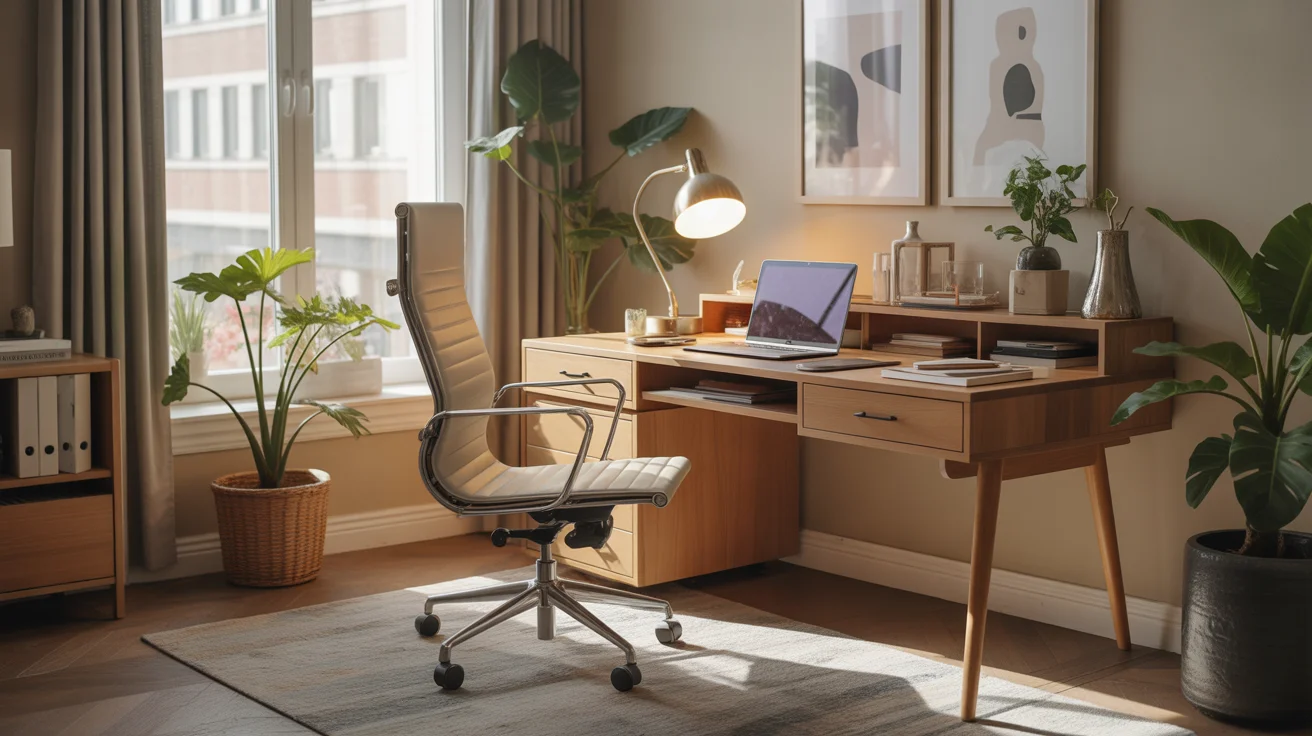
Why a Good Desk Setup Matters
A good desk setup does more than make your workspace look beautiful. It can help you stay organized, work more comfortably, and make better use of the space you have. The right desk, lighting, storage, and layout can make everyday tasks feel easier while creating a workspace that feels practical and inviting.
Whether you have a large desk or a small corner workspace, a thoughtful setup can make a noticeable difference. With the right combination of organization, comfort, and personal style, your desk can become a space that helps you work efficiently while still looking great.
Benefits of a Good Desk Setup
A thoughtful desk setup can make your everyday workspace more comfortable, organized, and enjoyable. When everything has its place and your desk is arranged around your routine, it becomes easier to stay focused and complete daily tasks without unnecessary distractions.
Some key benefits of a well-designed desk setup include:
- Better organization: Keeps your essentials within reach and reduces desktop clutter.
- More comfort: The right desk, chair, lighting, and layout can make your workspace more comfortable.
- Improved focus: A clean and organized desk can help reduce visual distractions while you work.
- Better use of space: Smart layouts and storage can make even a small desk feel more functional.
- More enjoyable workspace: Colors, accessories, plants, and personal touches can make your desk feel inviting.
- Greater productivity: When your workspace supports your daily routine, it can make tasks feel easier and more efficient.
Table of Contents
- Minimalist White Desk Setup
- Cozy Wooden Desk Setup
- Small Space Corner Desk
- Aesthetic Beige Workspace
- Dual Monitor Setup
- Standing Desk Setup
- Green Plant-Filled Workspace
- Scandinavian Desk Setup
- Dark Moody Office Setup
- Built-In Desk Setup
- Window Desk Setup
- Feminine Desk Setup
- Industrial Desk Setup
- Creative Content Creator Desk
- Luxury Executive Desk Setup
- Final Thoughts
1. Minimalist White Desk Setup
A minimalist white desk setup proves that a workspace doesn’t need to be filled with accessories to feel stylish and complete. A simple white desk, comfortable chair, laptop, notebook, and sleek desk lamp can create a clean environment that feels calm and organized. The light color also helps reflect natural light, making the workspace feel brighter and more open.
The key to this look is intentional simplicity. Keep only the items you use regularly on the desktop and give everything else a designated storage spot. A small drawer organizer, cable tray, or nearby shelf can help keep chargers, stationery, and other essentials out of sight while maintaining a tidy surface.
You can add personality without losing the minimalist feel. A small plant, framed print, neutral desk mat, or ceramic pen holder can introduce subtle texture and warmth. Stick to a limited color palette such as white, beige, light wood, and soft gray to keep the overall appearance cohesive.
A minimalist setup can also work well in bedrooms and small apartments because the simple furniture doesn’t visually overwhelm the room. If possible, position the desk near a source of natural light while avoiding direct glare on your computer screen.
Designer Tip: Leave some empty space on the desktop. Negative space is one of the most important elements of minimalist design and can make even a small desk feel more spacious and intentional.
Best For: Small home offices, bedrooms, apartments, remote workers, students, and anyone who prefers a clean workspace
Style: Clean, bright, simple
Maintenance: Low

2. Cozy Wooden Desk Setup
A wooden desk instantly brings warmth, texture, and character into a home office. Natural wood tones can make a workspace feel less formal and more connected to the rest of your home. Choose a desk with a visible wood grain and pair it with a comfortable upholstered or neutral-toned chair for a relaxed, inviting look.
Soft lighting can make this setup even cozier. Place a warm desk lamp beside your computer and use ambient lighting elsewhere in the room to create a comfortable glow during evening work sessions. A woven basket, linen organizer, or textured desk mat can add subtle layers without making the workspace feel cluttered.
The beauty of a wooden desk is its versatility. Light oak works beautifully with Scandinavian and minimalist interiors, while walnut and darker wood tones can create a richer, more sophisticated atmosphere. You can also mix the wood with white, cream, beige, or black accents depending on the mood you want.
Small personal details can make the workspace feel more enjoyable. Add a favorite coffee mug, a small plant, framed artwork, or a simple candle to give the desk personality. Keep the essentials organized so these decorative pieces enhance the workspace rather than compete with your work area.
If your desk has limited storage, use the wall above it. Floating shelves can hold books, plants, and office supplies while keeping the desktop clear. A small drawer unit underneath can provide additional storage without taking away from the cozy appearance.
Designer Tip: Combine one warm wood tone with soft textiles and natural accessories. A wooden desk, linen organizer, woven basket, and small green plant can create a cozy workspace that feels comfortable without looking overly decorated.
Best For: Cozy home offices, bedrooms, apartments, remote workers, creative spaces, and warm interior styles
Style: Warm, natural, inviting
Maintenance: Low

3. Small Space Corner Desk
You don’t need a large room to create a functional and stylish home office. A corner desk can make use of an otherwise overlooked area while providing enough surface space for a laptop, monitor, notebook, and other daily essentials. This makes it especially useful for apartments, bedrooms, and multipurpose rooms where every square foot matters.
Choose a desk that fits the corner without blocking doors, windows, or walkways. L-shaped designs can provide extra workspace, while a compact straight desk placed against two walls can create a simple workstation without overwhelming the room. Before buying furniture, measure the available area carefully and leave enough room for your chair to move comfortably.
Vertical storage can make a small corner office much more practical. Install floating shelves above the desk for books, small plants, stationery, and decorative accessories. Pegboards, wall organizers, and narrow cabinets can also provide storage while keeping valuable floor space open.
Keeping the desktop organized is particularly important in a small workspace. Use cable clips, a monitor stand with storage, small containers, or an under-desk drawer to keep frequently used items within reach without covering the entire work surface.
You can also make the corner feel brighter and more inviting with light colors and thoughtful lighting. A small desk lamp can provide focused illumination, while a nearby floor lamp or wall light can add softer ambient lighting. If the corner has access to natural light, position the desk so you can benefit from it without creating screen glare.
Designer Tip: Think vertically. When floor space is limited, use the wall above your desk for storage and decoration. A few well-styled shelves can turn a forgotten corner into a practical and visually appealing home office.
Best For: Small apartments, bedrooms, studio spaces, compact home offices, and multipurpose rooms
Style: Compact, organized, practical
Maintenance: Low

4. Aesthetic Beige Workspace
A beige workspace creates a soft, calming atmosphere that feels polished without becoming too formal. Warm cream walls, a beige desk, light wood accents, and neutral accessories can work together to create a home office that feels peaceful and visually cohesive. This palette is especially appealing if you want your workspace to blend naturally with the rest of your home.
The secret to making a neutral desk setup feel interesting is layering different textures. Instead of using the same shade and finish everywhere, combine linen, wood, ceramic, woven baskets, and soft textiles. A textured desk mat, linen organizer, woven storage basket, or ceramic pen holder can add depth while keeping the overall color palette simple.
Lighting is another important part of a beige workspace. Natural daylight can make warm neutrals feel bright and airy, while a warm desk lamp creates a cozy atmosphere in the evening. Choose fixtures with simple shapes and finishes such as brass, light wood, or matte black to complement the neutral surroundings.
A few carefully selected decorative pieces can give the workspace personality. Add a small green plant, framed artwork, a neutral-toned notebook, or a simple vase with dried stems. Keeping the accessories within a similar color family helps maintain the clean aesthetic without making the desk feel empty.
This style also works well for people who want a workspace that looks beautiful in photos and video calls. A tidy background, soft neutral colors, and natural textures can create a sophisticated setting without requiring expensive furniture.
Designer Tip: Don’t use only one shade of beige. Mix warm cream, taupe, ivory, light wood, and subtle brown tones to create contrast and prevent the workspace from looking flat.
Best For: Aesthetic home offices, bedrooms, content creators, remote workers, neutral interiors, and cozy workspaces
Style: Soft, warm, sophisticated
Maintenance: Low

5. Dual Monitor Setup
A dual monitor setup is ideal for anyone who regularly switches between multiple applications, documents, browser tabs, or creative projects. Having two screens can make it easier to keep reference material visible while working on another task, creating a more efficient and professional home workstation.
Start with a desk that provides enough depth and width for your monitors, keyboard, mouse, and other daily essentials. Monitor arms can be particularly useful because they free up some desk space and allow you to adjust the height and viewing angle of each screen. Position the monitors so that you can work comfortably without constantly turning or looking too far to one side.
Cable management is one of the most important details in a multi-monitor workspace. Use cable clips, sleeves, or an under-desk cable tray to keep power and display cables organized. A clean cable setup not only looks better but also makes it easier to disconnect or replace equipment when needed.
You don’t have to sacrifice style for functionality. Balance the technology with simple decorative elements such as a small desk plant, framed artwork, a sleek desk lamp, or a neutral desk mat. Keep decorative accessories limited so they don’t interfere with the equipment or reduce usable workspace.
Good lighting is also important. Position screens to minimize glare from windows and bright lights. A desk lamp can provide additional task lighting, while soft ambient lighting behind or beside the desk can make the workstation feel more comfortable during evening use.
Designer Tip: Keep both monitors at a comfortable viewing height and align their top edges as closely as possible. A symmetrical arrangement creates a cleaner appearance and makes the entire workstation feel more intentional.
Best For: Remote workers, programmers, designers, editors, analysts, gamers, content creators, and multitaskers
Style: Professional, organized, tech-focused
Maintenance: Medium

6. Standing Desk Setup
A standing desk can add flexibility to a home office by allowing you to alternate between sitting and standing throughout the workday. An adjustable-height desk is particularly useful because you can change the desk position based on the task you’re doing instead of remaining in one posture for hours.
Choose a desk with enough surface area for your monitor, keyboard, mouse, and other essentials. If you use a large monitor or multiple screens, make sure the desk has enough depth to position them comfortably. A monitor arm can also help create a cleaner setup while making it easier to adjust your screen height.
An anti-fatigue mat can make standing periods more comfortable, especially if your floor is hard. Pair the desk with a supportive chair or stool so you can easily switch between sitting and standing when needed. The goal is to create flexibility rather than staying on your feet continuously.
Keep the accessories simple to preserve the clean appearance of a standing workstation. A small plant, desk lamp, notebook, or minimal organizer can add personality without taking up valuable space. Cable management is also important because adjustable desks require enough cable slack for the desk to move safely between positions.
Lighting and screen placement should be considered carefully. Position your monitor at a comfortable viewing height and avoid placing the desk where direct sunlight creates glare on the screen. If possible, use a combination of natural and artificial light to keep the workspace comfortable throughout the day.
Designer Tip: Choose an adjustable desk with a simple frame and a warm wood or neutral-colored top. This combines the practical benefits of a standing workstation with a home-office aesthetic that feels polished rather than overly technical.
Best For: Remote workers, home offices, flexible workspaces, productivity-focused setups, and people who prefer adjustable furniture
Style: Modern, flexible, streamlined
Maintenance: Low

7. Green Plant-Filled Workspace
Adding plants is one of the easiest ways to make a home office feel fresh, welcoming, and connected to nature. Green foliage introduces color and texture to the workspace while softening the hard surfaces of desks, monitors, and other office equipment. Even one small plant can make a simple desk feel more personal.
If you’re new to indoor plants, start with relatively low-maintenance options such as pothos or snake plants, provided the available light suits them. A small plant can sit directly on the desk, while larger plants can fill an empty corner or frame the workspace. Hanging planters and wall-mounted plant holders are also useful when desktop space is limited.
The containers you choose can become part of the overall design. Terracotta pots create a warm, earthy appearance, while ceramic planters in white, beige, or neutral shades work beautifully with minimalist and Scandinavian offices. Woven baskets can add another layer of natural texture to the space.
Try varying plant heights to create a more natural arrangement. A small plant beside your monitor, a trailing pothos on a shelf, and a taller floor plant can add visual depth without making the workspace feel crowded. Keep plants positioned so they don’t block your screen, lighting, or frequently used items.
Good placement matters more than the number of plants. Consider the natural light available and choose species that suit those conditions. Avoid placing plants where they could interfere with electronics or create water spills near cables and power equipment.
Designer Tip: Use greenery as an accent rather than covering every surface. Two or three thoughtfully positioned plants can create a lush appearance while keeping the desk organized and practical.
Best For: Nature-inspired offices, creative workspaces, cozy home offices, minimalist interiors, and plant lovers
Style: Fresh, organic, relaxing
Maintenance: Low to Medium

8. Scandinavian Desk Setup
A Scandinavian desk setup combines simplicity, comfort, and practical design to create a workspace that feels bright and uncluttered. Light wood furniture, soft neutral colors, clean lines, and functional accessories are the foundation of this style. The result is a home office that feels calm without looking plain.
Start with a desk in light oak, ash, or another natural wood finish and pair it with a simple chair in white, beige, gray, or another muted shade. Avoid overly bulky furniture and choose pieces with clean silhouettes that allow the room to feel open. If the space is small, a compact desk with slim legs can provide everything you need without overwhelming the room.
Scandinavian design also places a strong emphasis on organization. Keep frequently used items within reach but avoid filling the desktop with unnecessary accessories. A simple tray, small organizer, floating shelf, or drawer unit can keep stationery and cables under control while maintaining the clean aesthetic.
Soft textiles can make the workspace feel warmer and more comfortable. Add a neutral rug underneath the desk, a small cushion on the chair, or linen curtains near a window. A few natural elements, such as a small plant or wooden accessories, can add texture without disrupting the minimalist appearance.
Lighting is equally important. Take advantage of natural daylight when possible and add a simple desk lamp for focused work. Warm ambient lighting can make the space feel especially inviting during darker hours.
Designer Tip: Follow the Scandinavian principle of keeping every item purposeful. Choose a few high-quality pieces that are both useful and beautiful rather than filling the workspace with unnecessary decoration.
Best For: Small home offices, minimalist workspaces, apartments, bedrooms, remote workers, and lovers of clean interior design
Style: Simple, bright, functional
Maintenance: Low

9. Dark Moody Office Setup
A dark and moody office can create a sophisticated atmosphere that feels dramatic, comfortable, and refined. Deep wall colors, dark wood or black furniture, and warm lighting work together to give the workspace a sense of depth and character. This style is especially appealing if you want your home office to feel more like an elegant study than a traditional workstation.
You don’t have to make every surface dark to achieve the look. Consider painting one accent wall in charcoal, deep green, navy, or another rich shade while keeping the remaining surfaces slightly lighter. A dark wooden desk or black shelving can then reinforce the mood without making the entire room feel closed in.
Warm lighting is essential in a darker office. A desk lamp with a warm-toned light can create a comfortable glow around your workspace, while wall sconces or ambient lamps can illuminate darker corners. If the room receives natural light, allow it to remain part of the design so the space doesn’t feel overly enclosed during the day.
Metallic accents can add subtle contrast and sophistication. Brass, antique gold, or brushed metal details work beautifully with dark furniture and walls. Introduce them through a desk lamp, cabinet hardware, picture frames, or small decorative accessories rather than using too many shiny surfaces.
Texture also helps balance the darker color palette. A leather desk chair, textured rug, wood accessories, or soft curtains can make the office feel warmer and more inviting. Keep the desk organized so the dramatic surroundings remain the focus rather than visual clutter.
Designer Tip: Pair dark colors with warm wood and soft lighting instead of relying entirely on black. The combination creates a richer, layered office that feels luxurious while remaining comfortable for everyday work.
Best For: Sophisticated home offices, executive workspaces, studies, creative rooms, and dramatic interior styles
Style: Moody, elegant, luxurious
Maintenance: Low to Medium

10. Built-In Desk Setup
A built-in desk can turn an unused wall or alcove into a highly functional home office while creating a seamless, custom-designed appearance. Because the desk, shelving, and storage are designed to work together, you can make better use of awkward spaces and keep your workspace organized without relying on several separate pieces of furniture.
One of the biggest advantages of a built-in setup is storage. Cabinets can hide paperwork, electronics, and office supplies, while open shelves provide space for books, plants, framed artwork, and decorative accessories. Combining closed and open storage keeps everyday essentials accessible while allowing the workspace to maintain a clean appearance.
Think carefully about the desk surface before designing the layout. Leave enough room for your monitor, keyboard, notebook, and other equipment, while keeping frequently used items within comfortable reach. If you use multiple monitors or larger equipment, plan the dimensions around your actual workflow rather than choosing the desk size based only on appearance.
Built-in desks are particularly useful in bedrooms, living rooms, hallways, and small home offices where space needs to serve more than one purpose. Matching the cabinetry to the surrounding walls can make the workstation feel like a natural extension of the room rather than a separate office area.
You can also personalize the design with different finishes and hardware. Light wood creates a warm Scandinavian feel, painted cabinetry can blend into the room, and darker finishes can create a sophisticated office atmosphere. Adding under-cabinet lighting can provide useful task illumination while highlighting shelves and decorative pieces.
Designer Tip: Before installing a built-in desk, map out where your power outlets, monitor cables, chargers, and other equipment will go. Planning cable access during the design stage will help you achieve a much cleaner finished workspace.
Best For: Dedicated home offices, small spaces, multipurpose rooms, remote workers, organized workstations, and people with extensive office equipment
Style: Custom, organized, seamless
Maintenance: Low to Medium

11. Window Desk Setup
Placing your desk near a window can make a home office feel brighter, more open, and connected to the outdoors. Natural daylight can create a welcoming workspace during the day, while a pleasant view can add visual interest to an otherwise practical work area. For many people, having a window nearby also provides a simple way to take short visual breaks during busy work sessions.
The position of the desk matters. If possible, place the desk perpendicular to the window rather than directly facing it or sitting with your back to it. This can help reduce screen glare while still allowing you to benefit from natural light. If the window receives strong direct sunlight, adjustable blinds or light curtains can give you better control over brightness throughout the day.
A window desk doesn’t need to be complicated. Pair a simple desk with a comfortable chair, a small lamp, and a few carefully selected accessories. Keeping the area around the window relatively uncluttered allows the natural light and view to remain part of the overall design.
Plants are another beautiful addition to a window workspace. Choose plants according to the amount and intensity of light available, and place them where they won’t interfere with your screen or work surface. A small plant on the desk or a taller plant beside the window can soften the space and introduce natural texture.
If your window overlooks a garden, trees, or an attractive outdoor area, use the view as part of your office design. Keep window treatments simple and choose furniture colors that complement the natural surroundings. Even an ordinary view can feel more inviting when framed by greenery and warm interior materials.
Designer Tip: Use a sheer curtain or adjustable blind when necessary to soften harsh sunlight. This lets you enjoy natural daylight while giving you more control over glare and the comfort of your workspace.
Best For: Bright home offices, bedrooms, small workspaces, nature-inspired interiors, remote workers, and rooms with attractive windows
Style: Bright, natural, refreshing
Maintenance: Low

12. Feminine Desk Setup
A feminine desk setup can feel elegant, soft, and personal while still providing everything you need for a productive workday. Blush pink, warm beige, cream, white, and muted taupe create a gentle color palette, while subtle gold or brass accents add a polished touch without making the space feel overly decorative.
Start with a desk that fits your workflow and then build the aesthetic around it. A white or light-wood desk works beautifully with this style, especially when paired with a comfortable upholstered chair. If you need storage, choose drawers or a small cabinet that keeps paperwork and office supplies organized without taking attention away from the desk.
Accessories are where you can bring more personality into the workspace. Add a small vase of fresh or dried flowers, an elegant desk lamp, a framed print, a decorative tray, or a beautiful notebook. Soft textures such as linen, boucle, or woven materials can also make the area feel warmer and more inviting.
Gold and brass details work especially well when used sparingly. Consider incorporating these finishes through drawer pulls, picture frames, lighting, or small desk accessories. Combining metallic accents with neutral colors creates a sophisticated look rather than an overly glamorous one.
Organization is still essential. Use attractive storage boxes, pen holders, trays, and file organizers to keep everyday essentials under control. A beautiful workspace can quickly lose its appeal when the desktop becomes crowded with paperwork and cables.
Designer Tip: Keep the decorative palette limited to two or three main colors. A combination such as cream, blush, and brass creates a cohesive look while leaving enough flexibility to add personal details.
Best For: Bedrooms, home offices, creative spaces, personal workstations, and soft elegant interiors
Style: Feminine, elegant, soft
Maintenance: Low

13. Industrial Desk Setup
An industrial desk setup combines raw materials, practical furniture, and understated details to create a workspace with a modern urban character. Black metal, natural wood, concrete textures, and simple silhouettes are common elements of this style. The result feels functional and distinctive without looking overly polished.
Start with a desk that combines wood and metal, or choose a simple black metal frame with a natural wood desktop. The contrast between the warm wood grain and darker metal creates visual interest while keeping the furniture practical. A comfortable leather or upholstered chair can soften the harder materials and make long work sessions more inviting.
Open shelving works particularly well in an industrial workspace. Rustic wood shelves supported by black metal brackets can provide storage for books, office supplies, plants, and decorative pieces. Keep the shelves intentionally styled rather than overcrowded so the room maintains its clean, structured appearance.
Lighting is another opportunity to reinforce the industrial aesthetic. Choose fixtures with black metal, exposed-bulb, or simple geometric designs. A substantial desk lamp can provide focused illumination while also acting as a decorative feature.
You can introduce softer elements to keep the space from feeling too cold. Add a textured rug, a small plant, framed artwork, or warm wood accessories. Neutral colors such as charcoal, brown, cream, and gray work especially well with the industrial palette.
Designer Tip: Balance hard materials with warm textures. Pairing black metal and concrete with natural wood, leather, and greenery creates an industrial office that feels comfortable enough for everyday use.
Best For: Loft apartments, modern homes, creative studios, home offices, and urban-inspired interiors
Style: Urban, rugged, modern
Maintenance: Low

14. Creative Content Creator Desk
A content creator desk needs to balance creativity, organization, and practicality. Whether you’re filming videos, editing photos, recording podcasts, designing graphics, or managing social media, having a dedicated workspace can make your workflow much easier. A larger desk provides room for monitors, cameras, microphones, notebooks, and other equipment without making the workspace feel cramped.
Start by choosing a desk with enough depth and width for your primary equipment. If you regularly use multiple monitors, a camera, or external speakers, plan the layout before adding decorative pieces. Monitor arms, wall-mounted storage, and under-desk drawers can help free up valuable surface space while keeping frequently used equipment accessible.
Good lighting is especially important for creators. A combination of task lighting, ambient lighting, and adjustable LED lights can make the workspace more versatile. If you create video content, position your main light so it illuminates your face evenly and avoid placing bright windows directly behind you when filming.
Storage should be both practical and easy to access. Use shelves, drawers, pegboards, or rolling storage carts for cameras, lenses, cables, microphones, and other accessories. Labeling containers can make it easier to find equipment quickly, especially when you work with a lot of small items.
Don’t forget the visual side of the workspace. A simple backdrop, framed artwork, plants, books, or carefully selected decorative objects can give your desk personality and make it more camera-ready. Choose a cohesive color palette so the background looks intentional rather than cluttered.
Designer Tip: Design the desk around your actual content workflow. Keep your most frequently used camera, microphone, notebook, or editing tools within easy reach, while storing less frequently used equipment away from the main work surface.
Best For: YouTubers, bloggers, photographers, designers, social media creators, podcasters, editors, and digital entrepreneurs
Style: Creative, organized, camera-ready
Maintenance: Medium

15. Luxury Executive Desk Setup
A luxury executive desk setup brings a sense of sophistication, comfort, and timeless style into a home office. Instead of relying on excessive decoration, this look focuses on quality materials, balanced proportions, and carefully selected details. Rich wood finishes, an elegant executive chair, and refined accessories can make the workspace feel polished and professional.
A substantial desk is usually the centerpiece of this style. Choose a rich walnut, oak, or dark wood finish with enough surface area for your computer, documents, and everyday essentials. A desk with clean lines and classic proportions will feel timeless rather than overly trendy.
Comfort should be just as important as appearance. Choose a supportive executive chair in leather or another durable, comfortable material. The chair should complement the desk without overwhelming the room. A matching side cabinet or bookshelf can provide additional storage while creating a cohesive furniture arrangement.
Accessories should be intentional and restrained. A leather desk pad, brass desk lamp, quality pen holder, elegant clock, or framed artwork can add a premium feel without cluttering the workspace. Keep everyday items organized in drawers or cabinets so the main desk surface remains clean.
Lighting can dramatically enhance an executive office. A warm desk lamp creates focused illumination, while additional ambient lighting can highlight bookshelves, artwork, or architectural features. Brass, bronze, or dark metal fixtures work particularly well with rich wood tones.
For the finishing touch, add a few personal elements that make the office feel like your own. A favorite piece of artwork, a small plant, or a carefully styled bookshelf can introduce personality while maintaining the sophisticated atmosphere.
Designer Tip: Luxury is more about quality and restraint than quantity. Choose a few well-made materials and repeat them throughout the room—such as rich wood, leather, and brass—to create a cohesive and expensive-looking workspace.
Best For: Executive home offices, business owners, professionals, dedicated studies, and sophisticated interiors
Style: Refined, classic, luxurious
Maintenance: Medium

Final Thoughts
The best desk setup is one that combines comfort, organization, and personal style. Whether you prefer a minimalist, cozy, Scandinavian, or more sophisticated look, focus on choosing pieces that fit your space and support the way you work.
You don’t need a complete redesign to create a better workspace. Start with the setup that fits your needs, then add thoughtful lighting, storage, greenery, or accessories to make your desk more functional and enjoyable every day.
Frequently Asked Questions About Home Office Desk Setups
1. What should a good home office desk setup include?
A good home office desk setup should include a comfortable desk and chair, appropriate lighting, organized storage, and enough workspace for your daily equipment. Depending on your work, you may also need a monitor stand, cable management, drawers, or additional shelving. The goal is to create a workspace that is comfortable, organized, and suited to your specific routine.
2. How do I keep my desk setup organized?
Give every frequently used item a designated place. Use drawers, trays, storage boxes, floating shelves, and cable organizers to prevent clutter from building up. Try to keep only essential items on the desktop and store less frequently used equipment elsewhere.
3. How can I make my desk setup look more aesthetic?
Focus on creating a cohesive color palette and combining practical items with a few decorative pieces. A stylish desk lamp, small plant, framed artwork, attractive organizer, textured desk mat, or carefully selected accessories can make the workspace feel more intentional. Avoid adding too many decorations because visual clutter can quickly make the desk feel messy.
4. Is a dual-monitor setup worth it for a home office?
A dual-monitor setup can be useful if your work involves multitasking, research, editing, spreadsheets, coding, or comparing information across different applications. It is not necessary for everyone, however. If you rarely need multiple screens, a single larger monitor or laptop setup may provide enough workspace while keeping the desk simpler.
5. How can I hide cables on my home office desk?
Cable clips, cable sleeves, under-desk trays, and adhesive cable channels can help keep wires organized. Route cables toward the back of the desk and group related cords together where possible. If you’re designing a built-in office, planning power outlets and cable openings before installation can create an even cleaner result.
6. What is a good desk setup for a bedroom?
A compact corner desk, wall-mounted desk, or slim writing desk can work particularly well in a bedroom. Choose furniture that complements the existing room instead of making the workspace feel like a separate area. Light colors, minimal accessories, and closed storage can help maintain a calm bedroom atmosphere.
7. What is the most important thing when designing a home office desk setup?
The most important thing is to balance function and personal style. A beautiful desk is not useful if it doesn’t provide enough workspace or storage, while a highly functional office may feel uninspiring if it doesn’t reflect your personality. Build the setup around your actual work habits, available space, comfort, and the aesthetic you enjoy.
You May Also Like
- 21 Japandi Living Room Ideas for a Calm and Stylish Home
- 20 Scandinavian Living Room Ideas for a Modern Cozy Home
- 21 Double Height Living Room Ideas to Make Your Home Feel Grand and Bright
- 20 Rustic Bathroom Ideas That Never Go Out of Style
- 23 Small Balcony Ideas That Add Charm, Comfort, and Functionality
- 18 Cozy Home Office Ideas to Create a Warm and Productive Workspace

